




For associations, companies, councils and not-for-profits

Know how your members, staff and community will react before you decide. Not after the backlash.

Hear from people your decision affects, not only the loudest voices, and find out what would change their minds.

About 5 minutes
A group of people seen from above, standing in a loose curve
Who you'll work with

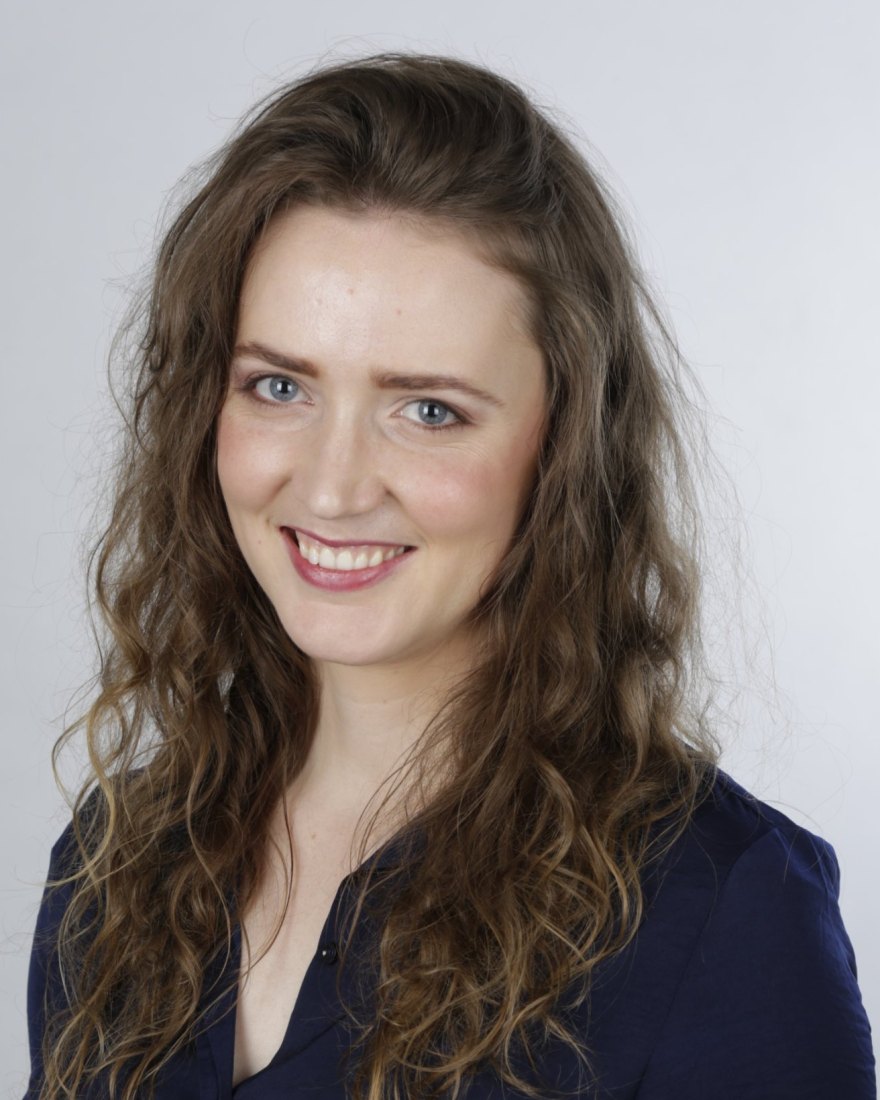
Rebecca Hall

Founder of Clarion Soundings. Formerly at McCrindle, Ipsos and CT Group.

Rebecca Hall

Rebecca helps leaders know how their members, staff and communities will react before they decide, so they avoid costly mistakes and build trust and reputation with the people they serve.

Her research helped a developer win approval for a project that had stalled for years, showed an industry body why its national campaign wasn't reaching the towns that mattered most and showed a global company that the decision-makers who rated it well knew almost nothing about its local investment. Organisations she worked with include the Financial Services Council, the Australian Meat Processor Corporation, Glencore, BHP, Inland Rail, Amazon Web Services, PrettyLittleThing, the musical Waitress and the Triple P parenting program. She also worked on state and federal election campaigns and wrote industry trends reports on seniors living, not-for-profits and education.

At the global research consultancies CT Group and Ipsos, she measured how organisations were seen by the public and by decision-makers in government, media and industry, and advised them on what to change. At the Australian firm McCrindle she worked in social and market research and launched and produced the firm's flagship podcast, which still airs today. At Anglicare she worked in customer strategy and innovation, where she devised new pricing models for multimillion-dollar retirement living developments. Her work spans government, transport, energy, mining and resources, property, finance, technology, aged care, community services and industry bodies.

She developed the method behind Clarion Soundings, which measures where people stand on the trade-off underneath a decision rather than whether they agree, and helped design diagnostic methods for assessing culture, integrity and judgement in organisations. She leads every study from start to finish.

Who it's for

For leaders with a decision that depends on their people

A change inside your organisation, a project that needs community support or a position you take in public. When an organisation misreads its members, staff or community, it shows up as people leaving, a change that stalls or a hit to its reputation, usually after the decision is made.

A satisfaction or engagement survey tracks how people feel in general. Clarion Soundings is built around your problem, the decision in front of you and the outcome you want: it tells you how your people will respond before you decide, and gives them a real say in the process.

A close crowd of people gathered indoorsAn ornate council chamber with wood panelling and chandeliers

Associations and member bodies

Speak for your members with evidence, hear from the ones who never speak up and keep the members you have.

Companies

See resistance before you announce, bring your staff with you through a change and keep the customers it could cost you.

Not-for-profits and community groups

Hear your community properly, keep your supporters with you and reach the people you're not yet serving.

Councils and government

Hear more than the loudest voices, know where residents stand before you commit and bring them with you.

Brands and retailers

Convert more of the people already coming to you, keep more of the customers you win and reach the audiences you're missing.

What changes

From guessing how people will react, to a decision they'll back.

Hearing from the loudest voices
Hearing from everyone the decision affects
People who stay quiet for fear of being judged
People who tell you what they really think
Finding out after the announcement
Knowing before you decide
Planning the year on assumptions
Clear direction, built on what your people see as your strengths and weak spots
A decision people resist
One you can make and explain with confidence
An internal dispute or walkout
A change your people are ready for
A public backlash or bad press
A crisis you avoided
Support you assume
A social licence to operate you can show
People who feel overlooked
People who feel heard
Birds spaced out along a wire
Your people don't all sit in the same place.
A study shows where each of them does, and why.
How you get there

Clarity on where your people stand, and what it means for your decision.

Bring the decision in front of you. Every study starts from:

Your situation now

Where things are, and the decision in front of you.

The problem, as each group sees it

How leadership, members, staff or the community each understand it.

The outcome you want

What a good result would let you do, and what it has to avoid.

From there, you'll know:

Where they stand

On the tension underneath the issue, not just the headline question.

How firmly

Who is settled and who you could still persuade.

What moves them

Which arguments shift their view, in either direction.

Where they split

Differences between groups, such as role, tenure or region.

Example study

What a study tells you

Choose members, staff or community to see the highlights from an example study: what would move people, the risk to avoid and what it means for the decision.

A snapshot of what you would knowExample study

Highlights only. A full study also breaks results down by group, sets them beside what you have already decided and includes what people said in their own words.

Going further: the say-do gap

Where your decisions sit beside your people

People judge an organisation by what it does, not what it says. Setting your past decisions on the issue against where your people stand shows where trust is at risk and where criticism is likely to come from.

Growth and the communityExample: a company and its local community
Where the community standsWhat the company decided
Growth decidesSupportis earnedWeigh bothBenefits first,growth followsLocal lifecomes first
40point gap: 40% of the company's decisions would need to sit at a different position to match where the community stands
Made for decisions that depend on your people

What would it be worth to know before you decide?

An Australian suburb from above, with houses, parkland and streets

Speaking for your members

Before a submission, campaign or public position goes out in your name.

If you could say, with evidence, that members back it, how would that change the conversation?From hoping members agree to speaking with a mandate that government takes seriously.

Reshaping a community, event or benefit

Before you relaunch one or put more money into it.

If you knew what the members who never post or turn up actually want, how many more would take part?From building on assumptions to one your hard-to-reach members actually use.

Leading staff through a restructure

When roles, teams or systems are about to be reshaped.

If you could see resistance before you announced the change, what would that save you?From announcing and managing the fallout to a change your people were ready for.

Changing a price, product or brand

When existing customers might walk away.

If you knew who might leave before the change, how many would you keep?From losing customers you didn't expect to lose to keeping the ones who matter most.

Growing with your customers

Before a launch, a new market or a push for repeat sales.

If you knew why people look and don't buy, and why some never come back, how many more would buy from you?From guessing why sales stall to spending on what brings people in and back.

Winning community support

Before a project, development or approval goes ahead.

If you knew which residents could be won over, and what would do it, how much sooner could you get approval?From objections at every stage to approval with the community behind you.

Getting it wrong once usually costs more than finding out first.A submission your members disown, a change you have to reverse, a project held up for months.

An empty boardroom with a long table, set for a meeting
Lights on

See what's ahead before you commit.

Organisations that check in with their people regularly see trouble coming and adjust before it costs them. Without that, the first sign of a problem is usually the reaction to the announcement.

Clarion Soundings works three ways

Start here

A gap check

$5,000

Your leaders take the scorecard on where they think your people stand. Your staff or members answer the same questions for themselves. Rebecca shows you the gap between the two in a one-hour briefing.

Go deeper

A decision study

From $20,000

A study built around the decision in front of you, using a survey, focus groups, interviews or a mix, managed end to end from recruitment to results. It can cover members, staff and community at once, so you see where each group stands and where they differ.

Keep track

Twice-yearly tracking

From $30,000 a year

The same study run twice a year, so you see how views shift over time, with a senior researcher to talk to between rounds about what your results mean for the next decision.

Just need interviews, focus groups or an independently facilitated session with your members or staff? Rebecca can run them on their own, end to end, from recruitment to findings. People speak more honestly to an outsider than to their own CEO or manager. Priced to scope.

Not sure which fits? Book a complimentary 30-minute working session, take the five-minute scorecard or start with a talk or webinar.

A large research firm
  • Cost$60,000 to $100,000 for one custom study, and close to that again for each repeat
  • Who does the thinkingOften a junior team doing the work, with a senior partner overseeing it
  • How long it takesOften months, with rounds of briefing, formatting and sign-off along the way
Clarion Soundings
  • CostFrom $20,000 for one study, or $30,000 for two in a year
  • Who does the thinkingA senior researcher who has worked across several large firms, from start to finish
  • How long it takesThree to four weeks from commissioning, depending on how large the engagement is

A custom study from a large research firm typically costs $60,000 to $100,000. Much of that price pays for large teams, offices, admin and overheads, plus a premium for the firm's name, rather than work on your problem. Clarion Soundings keeps those costs low and automates the admin, so the time goes into the thinking and deep work: understanding your problem and turning the results into a decision you can stand behind.

Case studies

What the research changed

Details are anonymised.

A sandstone city hall with people crossing the square in front of it
01
BeforeAfter hearing the facts
Strong support doubled once residents knew what the proposal included

A development stalled for years, approved once residents' views were measured

A developer had sought government approval for an industrial development for years. Most nearby residents hadn't heard of it, and three in four could still be persuaded either way. Once they knew what the proposal included, strong support doubled while opposition held steady. Local jobs and independent evidence on a local risk moved people most.

What changedThe research showed government that residents would back the development and that approving it carried little risk. It was approved.
02
NationallyWhere the jobs are
A third more Australians open to working in the industry

A campaign that worked nationally but not where it mattered most

An industry body tracked how the public saw its industry over several rounds, with extra attention on the towns where its members operate. Its campaign was lifting support, and interest in working in the industry grew nationally. But it didn't move in the towns where the jobs were.

What changedRather than relying on the national campaign to reach the towns where its members operate, the industry body shifted to local, jobs-focused messaging in those towns.
03
Rated the company wellKnew about its local investment
Most knew nothing about its local investment, jobs or skills training

Well regarded by the people who mattered, but barely known to them

A global company wanted to know how senior people in government, the public service, media and industry saw it ahead of decisions affecting its operations. Most rated it well. But its key messages were new to them, so they doubted them.

What changedThe company moved to short, regular briefings for time-poor decision-makers, so it became a trusted source rather than a name known from a distance.
04
SoldEmpty for nine months
Nine of 24 new villas had sat empty for nine months

Villas priced for the suburb, not for the people buying them

A not-for-profit retirement living provider couldn't sell nine of its 24 new villas. They were priced against local house values. But most buyers were coming from nearby suburbs where homes were worth less, and more than half chose the payment option that costs residents most in the long run, a sign they were stretched. The prices suited the area, not the people choosing the village.

What changedThe research recommended pricing the villas for the people actually buying them, marketing the oversized two-bedroom-plus-study villas as three-bedroom and letting residents defer some ongoing charges.
05
Arguments for and against, tested one by oneArgumentArgumentArgumentArgumentArgumentArgumentMoved peopleDidn't
Once they had heard both sides, Australians came down against the change

Speaking for an industry on a tax change, with evidence of where the public stood

A national industry body wanted to speak publicly on a proposed change to how super is taxed. It needed to know where Australians stood, not where it assumed they did. The research measured first reactions to the change, tested the main arguments for and against it one by one, then measured where people landed once they had weighed both sides. They came down against taxing super more.

What changedThe body could tell government and the media where the public stood, with evidence behind it, and knew which of its arguments people found persuasive.
The scorecard

Before your next big decision, how sure are you of where your people stand?

Think of a decision in front of you. In five minutes you'll see your weakest point and what to do about it.

EvidenceIs your view based on what people have actually told you?
DepthDo you know why, and how firmly?
CurrentIs it still true today?
Rebecca Hall, founder of Clarion Soundings
“The people a decision affects should have a say in it and feel heard. Leaders make better decisions when they do.”
Rebecca Hall, Founder
Talk it through

A complimentary 30‑minute working session

Bring the decision you're facing. We'll work through who it affects, what you'd need to know about where they stand and whether a study is the right way to find out.

You'll leave with a clearer view of the question to answer, whether or not we work together.

Book a time →

About Clarion Soundings. Clarion Soundings helps leaders get where they want to go with their people, and avoid the risks along the way. It brings techniques drawn from years of research across several firms, applied with analytical rigour and an eye on the bigger picture: what the results mean for the decision in front of you.